
There are numerous articles and industry experts including Thota (2018) telling us that social media is more effective when consumers share posts with friends using digital Word of Mouth (WOM) rather than consumers viewing paid advertisements from organisations.
However, the real question is how do we get consumers to engage so much with our posts that they share it with their friends? How do you make a campaign go viral?
Jonah Berger’s 6 STEPPS attempts to provide an answer for this complex issue.
The 6 STEPPS are:
Social Currency
Triggers
Emotion
Public
Practical Value
Stories
I am particularly interested in the idea behind people having an emotional connection to an ad campaign, and from that being driven to share it with their friends. WATERisLIFE ran a successful campaign in 2012 called First World Problems Anthem. Using the hashtag #firstworldproblems the video received over 1 million views in the first day. The ad was very emotive, evoking a sense of guilt from the first world audience of which the video was targeted towards. WATERisLIFE was able to successfully use emotions to make their ad
However, what if a brand creates an ad campaign, and it goes viral, but, for the wrong reasons?
The infamous Pepsi Ad featuring Kendal Jenner is a classic example of an ad going viral for the wrong reason
Pepsi tried to create an ad that used social currency, in that they were showing their consumers that they cared about greater issues in the world. However, it ended up receiving a lot of criticism and creating emotion around it as many viewers were angry at how Pepsi tried to neatly sum up that world peace could be achieved through a can of Pepsi. The ad was cut only a few days after it was realised, however it still gained publicity from major public figures, including Bernice King (the daughter of Martin Luther Kind Jnr)
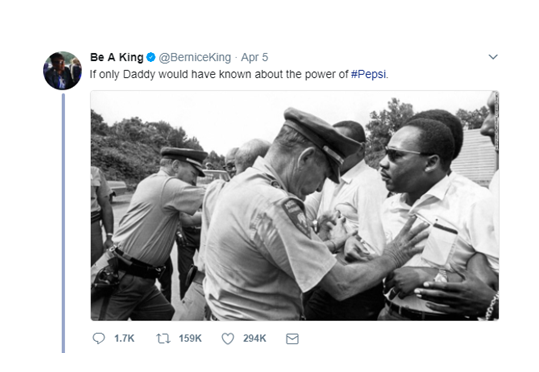
Trying to make an ad campaign go viral can be very risky and unpredictable. Sometimes being a bit controversial can pay off, but sometimes it can lead to an advertising disaster. Once something is put to the public, there is no guarantee how consumers will respond to it. Once consumers have an emotional response to something, it may be very difficult to change that view as it is very personal and subjective. Should businesses play it safe and post things are difficult to feel emotional towards, but will receive a satisfactory response from the public? Or should businesses take more risks and create ad campaigns that evoke strong emotions from consumers and hope that consumers share it to their friends? Let me know what you think in the comments!


 Digital Marketing
I loved the two examples you used !! comparing the two videos that caught attention for different reasons truly make you think what is the best way to attract consumers’ attention and ultimately go viral. Personally, I feel like businesses should take more risks ! Try to get me emotional, try to get me to relate to the campaign, but obviously do it in ways that won’t offend people. So for example, when I was watching the WATERisLIFE campaign, it made me feel some type of way, like saddening to see that I’m complaining about not having a TV in my room whereas those kids there don’t even have the ‘simple’ things that we already have. So, for me, I’m saying YES to evoking strong emotions in campaigns, but just obviously know when to not cross the line. What is your opinion on it?
LikeLike
I agree with you! I think that businesses should try and evoke emotion, as it makes ad campaigns much more rememberable!
LikeLike
I love your examples! The ‘first world problems anthem’ is an amazing campaign! I definitely think being different and unique delivers the best response from customers. These emotion triggering ads capture your attention and make you engage more!
LikeLike